
Date: May 2026
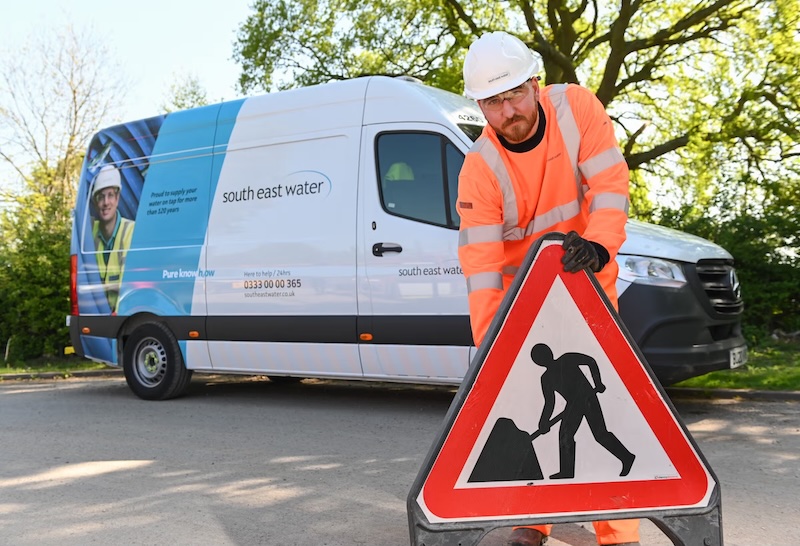
The chief executive of South East Water (SEW), David Hinton, has resigned following months of sustained pressure from MPs, customers and the Environment Secretary. His exit comes a week after the company’s chair, Chris Train, also resigned in the wake of a damning parliamentary report.
Hinton will remain in post over the summer to “allow an orderly transition”, a decision that has already frustrated some of the MPs who called for his removal. The MP for Faversham said she was “frustrated it took so long.” The MP for Tunbridge Wells said simply: “It’s good that Dave Hinton has done the right thing and resigned.”
Why did he and the company chair resign in quick succession? Tens of thousands of properties in Kent and Sussex lost water or had dangerously low pressure in November and December 2024. Weeks later, up to 30,000 more households were hit again. A parliamentary committee found the incidents were “foreseeable and preventable” and accused SEW of poor leadership, weak governance and a culture where nobody was held accountable. Hinton received a £115,000 bonus last year on top of a £400,000 salary. Ofwat is consulting on a fine of up to £22 million.
Environment Secretary Emma Reynolds welcomed the resignation but said it must mark “the beginning of positive change” – an acknowledgement that a resignation alone changes nothing structurally.
What this means for Southern Water customers
A chief executive resigning under public pressure is progress of a kind. But it took months of sustained outcry, two parliamentary hearings, a select committee report, and tens of thousands of people losing access to drinking water to get there. Southern Water has its own terrible record, including a £90 million fine, a 2-star Environment Agency rating, bills up 46.7% in 2025, and sewage in the sea. No Southern Water executive has resigned. No individual has been prosecuted for the pollution itself. The lesson from the SEW story is that pressure works, but we have to keep applying it.
Related reading
Leave a Reply